Storm Season Prep: Protecting Your Home, Trees, and Yard
High wind and heavy rain test every tree on your property. A homeowner checklist for before and after the storm.
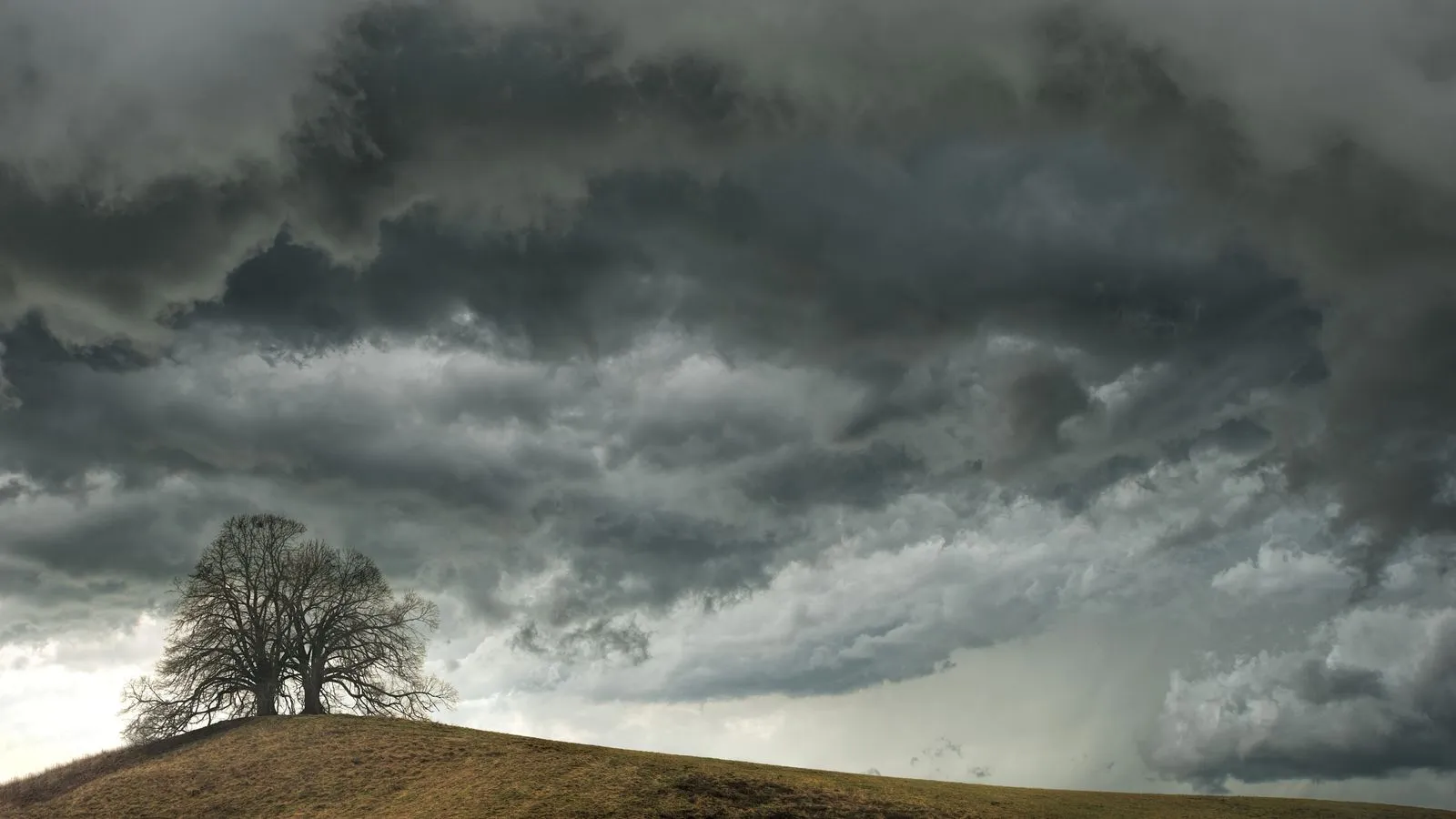
Severe storms can bring down limbs and even entire trees, sometimes onto houses, cars, or power lines. A little preparation before storm season reduces the risk, and knowing what to do afterward helps you recover safely.
Before the storm: look up
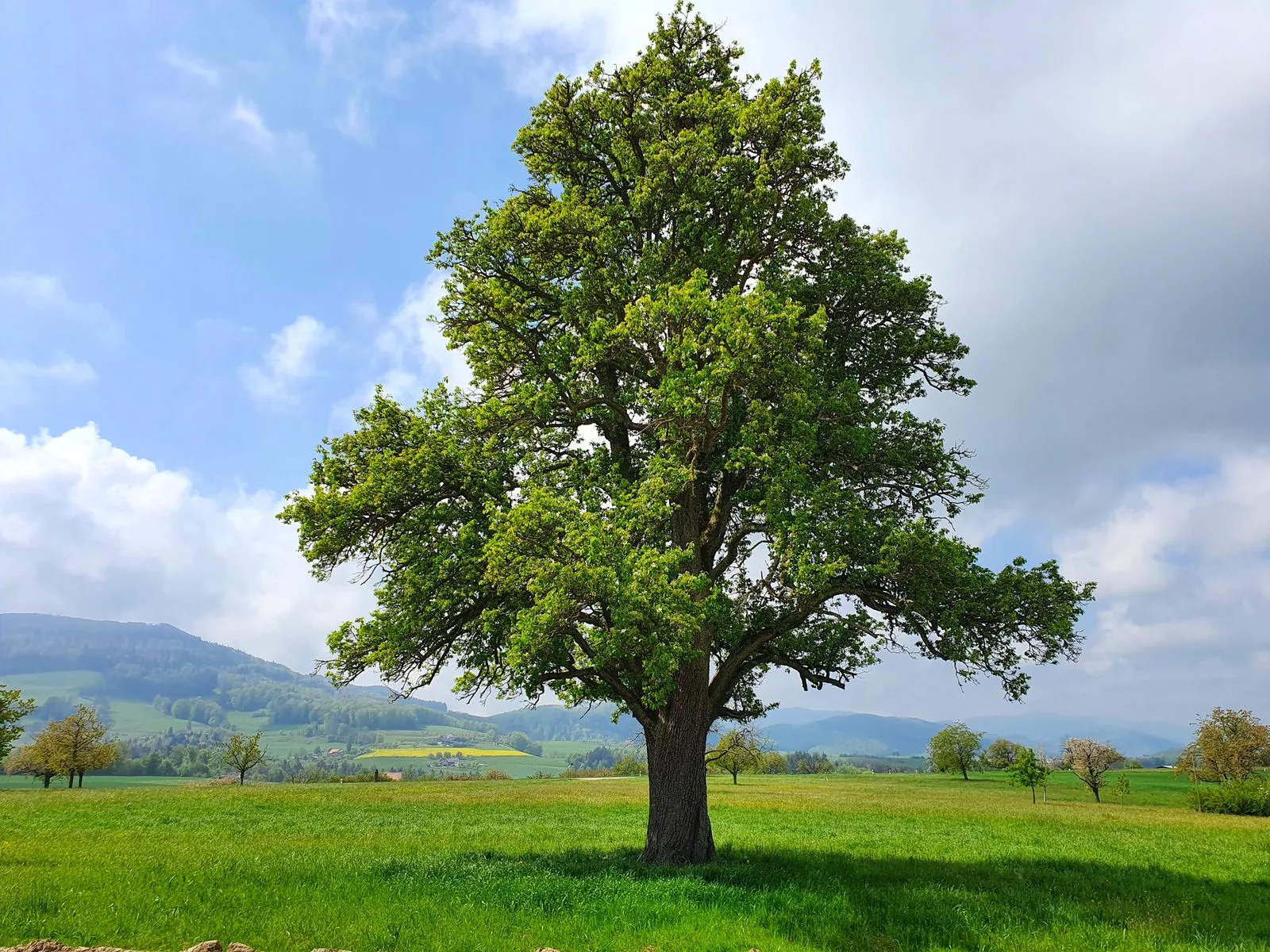
Walk your property and look closely at every tree near your home, driveway, and play areas. Note large dead branches, trees with a noticeable lean, split trunks, and any limbs hanging over the roof. These are the most common sources of storm damage.
Get an expert opinion on risky trees
If you see warning signs, have a certified arborist assess the tree before storm season. They can recommend pruning, cabling, or removal. Pruning dead or weak limbs ahead of time is far cheaper and safer than dealing with storm damage after the fact.
Secure the yard
- Store or tie down patio furniture, grills, and decorations.
- Clear gutters and drains so heavy rain can flow away from the foundation.
- Make sure drainage paths are not blocked by debris or mulch.
- Keep a list of phone numbers for your utility, insurance, and trusted local services.
Know what stumps and roots tell you
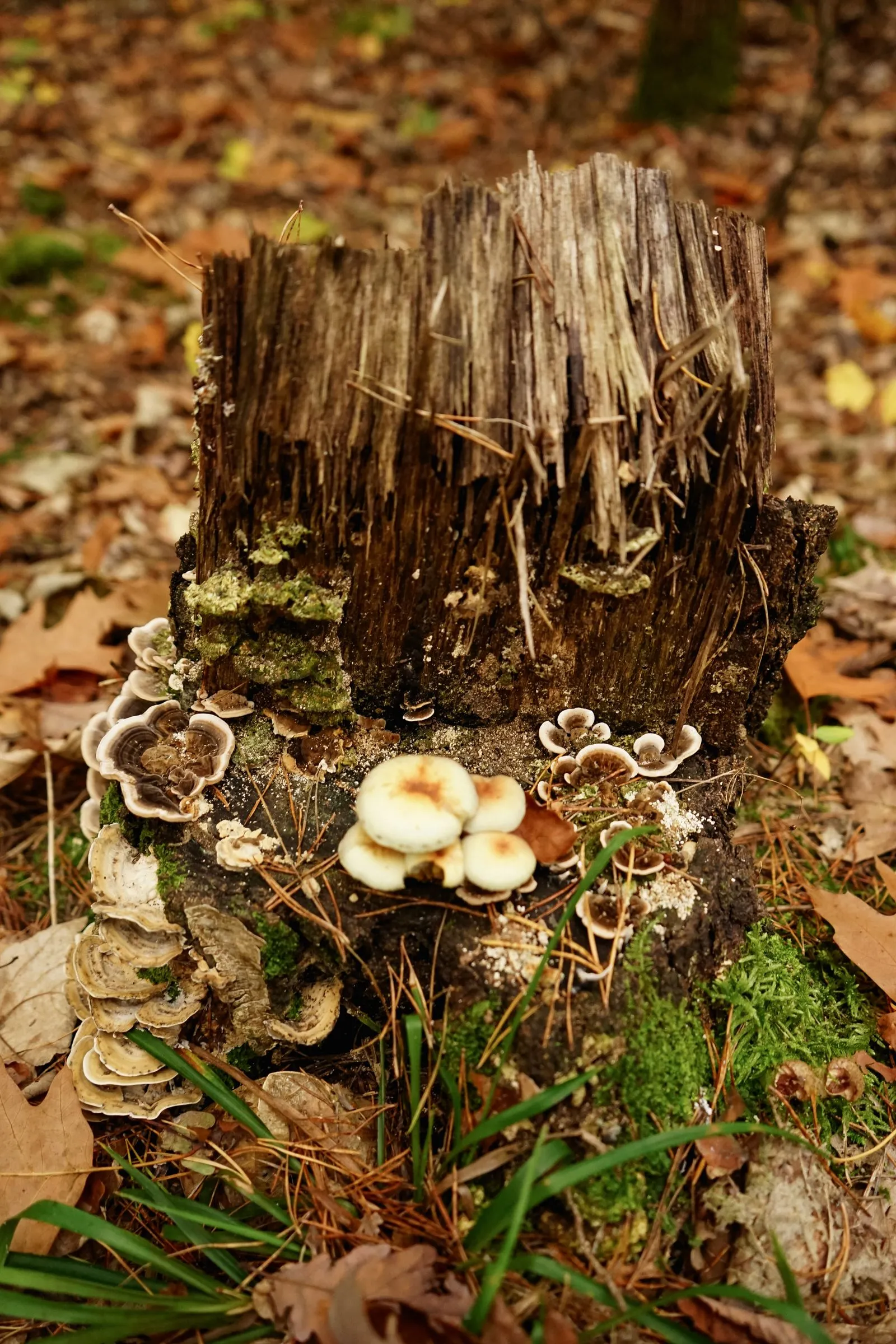
Old stumps and decaying roots near remaining trees can indicate that the root zone has been disturbed in the past. Trees with damaged roots may be more prone to tipping in saturated soil. Mention any history of root damage or construction to the arborist.
After the storm: safety first
Stay clear of downed power lines and anything touching them. Assume all downed lines are live and call your utility right away. Do not attempt to cut large limbs or trees that are under tension or tangled with lines; this is dangerous work best left to professionals.
Document damage
Take photos of fallen trees and any damage to structures before cleanup begins. Contact your insurance provider to understand what is covered.
Clearing the aftermath
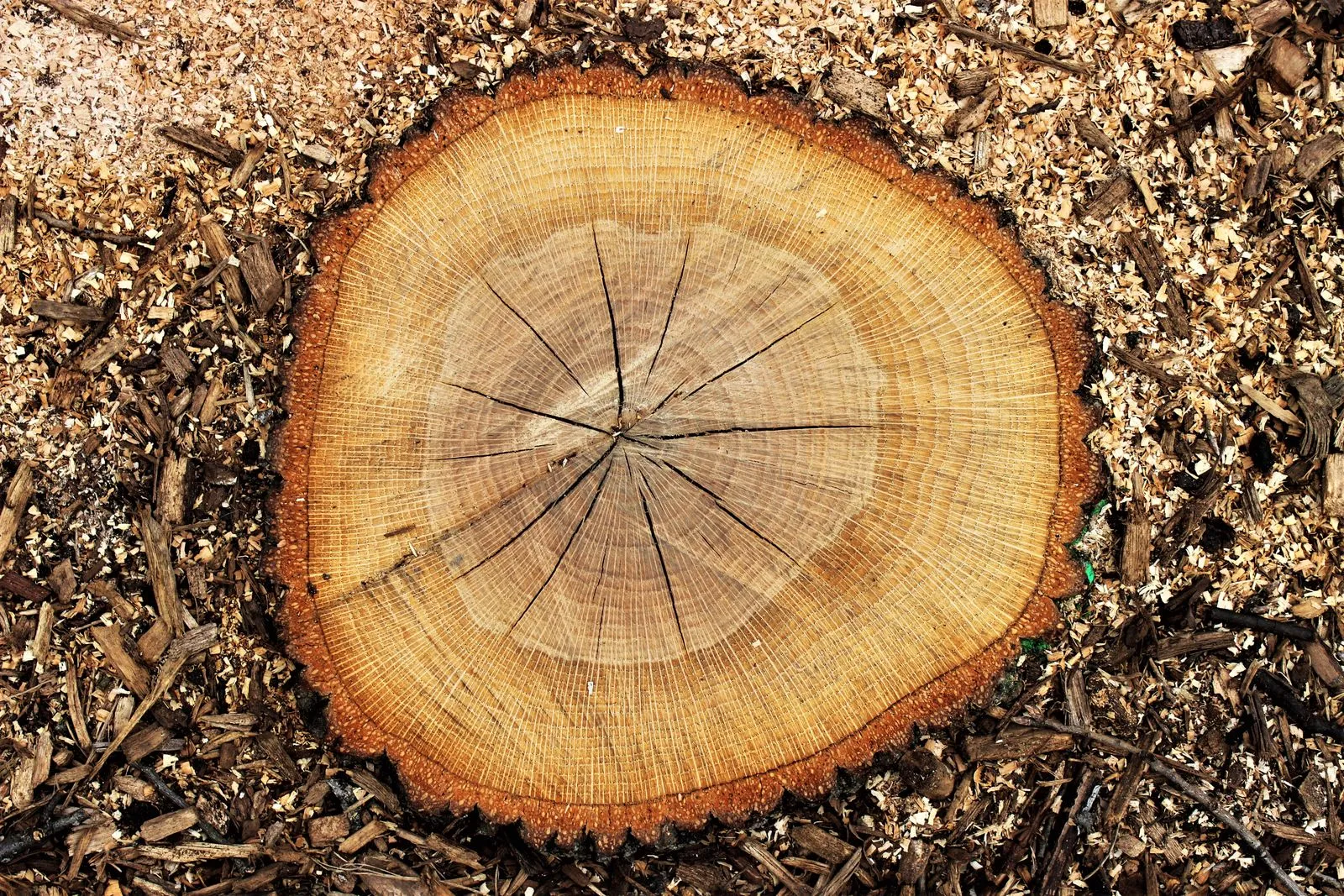
Once a tree service has removed the fallen trunk and limbs, the stump and any root plate are usually what remain. Uprooted trees may leave a large root ball that has to be dealt with, while snapped trees leave a tall stump that can be cut low and ground below grade.
Restoring the yard
After grinding, rake out chips, fill the area with topsoil, and seed or sod. Storms often change sunlight patterns in a yard, so consider whether the restored spot is now sunnier than before and choose grass or plants accordingly.
Think about replanting
Losing a tree is hard. When you are ready, consider planting a replacement in a better location: away from the house, with room for roots, and suited to your soil. A local nursery or extension office can recommend species that handle wind well.
Preparation cannot prevent every storm loss, but it lowers the odds, and a clear plan for afterward makes recovery faster and safer.
Stump grinding in Fort Mill, SC
Strictly Stumps provides residential and commercial stump grinding in Fort Mill and surrounding areas. Explore Frank's stump grinding services or call or text (803) 203-9005 to discuss access, timing and your plans for the area.