Protecting Tree Roots During Landscaping and Construction
Driveways, grading, storage piles, and trenches can affect trees years later. Plan work around the root zone before equipment arrives.
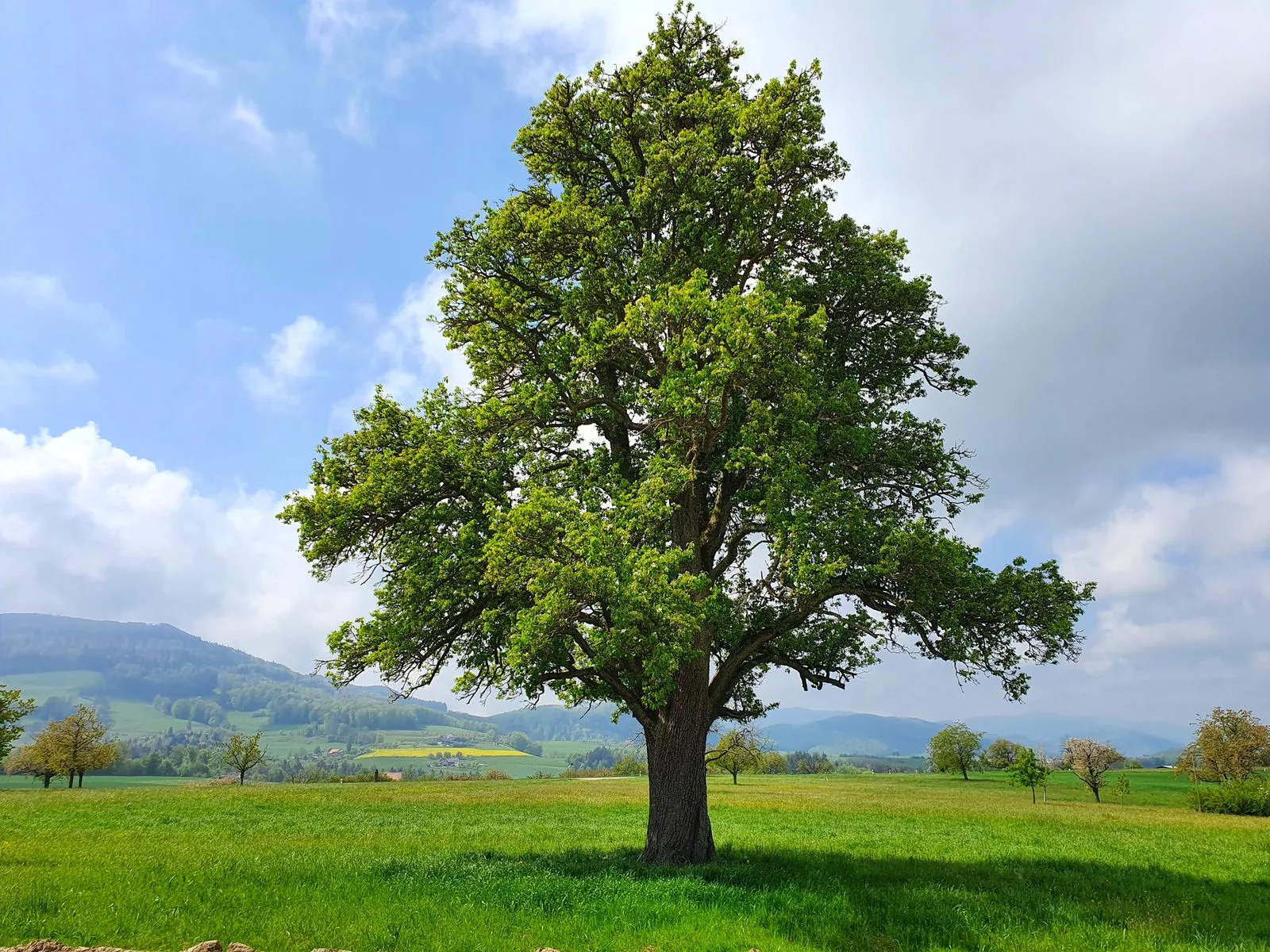
A tree can look fine during a yard project and show stress much later. Heavy equipment, stored materials, new fill, and trenches can compact soil or damage roots. Clemson Extension notes that some construction-related decline may take years to become visible, which is why prevention and planning matter.
Mark trees you want to keep
Before paving, grading, adding a patio, or installing a fence, identify the trees that should remain. Ask the landscape or construction team to plan access routes and material storage before machinery is on site. A tree’s roots often extend well beyond the trunk and can spread beyond the canopy.
Keep compaction and grade changes away
Repeated vehicle traffic and piles of gravel, soil, or building materials compress the ground and change the air and water available to roots. Raising or lowering soil around an established tree can also alter drainage and root conditions. Fencing a protected area before work begins is more reliable than asking crews to avoid it once the site is busy.
Coordinate digging and stump work
Not every visible root belongs to the tree that was removed. If a stump is near a tree you plan to keep, point it out before work begins and ask how equipment can reach the stump while limiting disturbance to the surrounding landscape. Do not cut or sever large roots on your own to make room for a project; a qualified arborist can assess risks to a valued tree.
Before any digging, arrange the required utility markings and identify private lines such as irrigation, low-voltage lighting, or service lines on your property. Marking utilities and protecting tree roots are separate planning steps.
Watch for changes after construction
Look for a thinning canopy, early leaf drop, dieback at branch tips, or changes in trunk condition over time. Those symptoms can have many causes and do not prove construction damage by themselves. If a mature tree’s health is declining, ask an ISA Certified Arborist to evaluate it rather than applying fertilizer or treatment without a diagnosis.
For South Carolina-specific advice, see Clemson Extension’s guidance on protecting trees during construction and tree maintenance.
Stump grinding in Fort Mill, SC
Strictly Stumps provides residential and commercial stump grinding in Fort Mill and surrounding areas. Explore Frank's stump grinding services or call or text (803) 203-9005 to discuss access, timing and your plans for the area.