How to Get Grass Growing Again Where a Stump Used to Be
Wood chips and fresh seed do not mix well. A practical, step-by-step plan for turning a ground-out stump into healthy lawn.
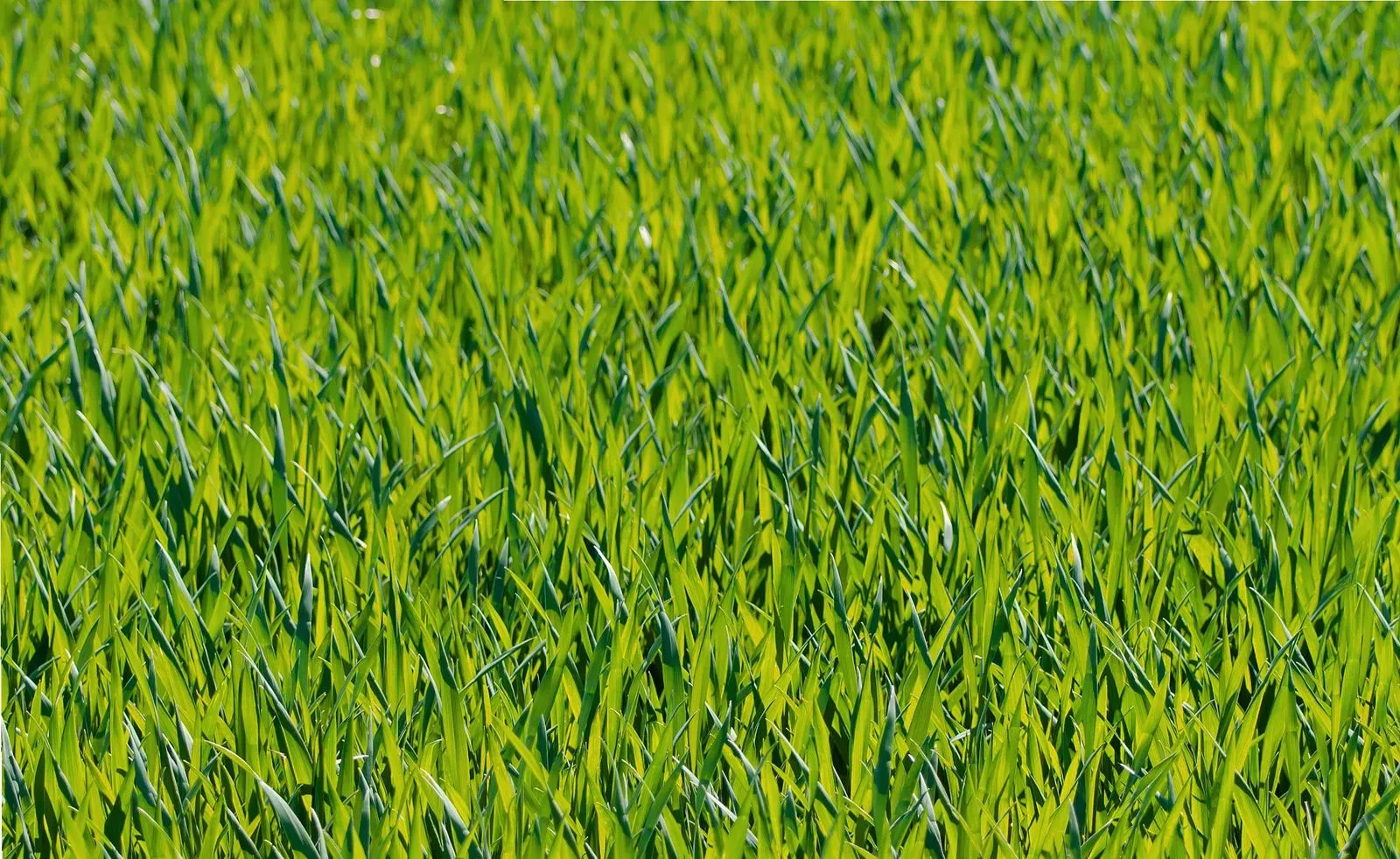
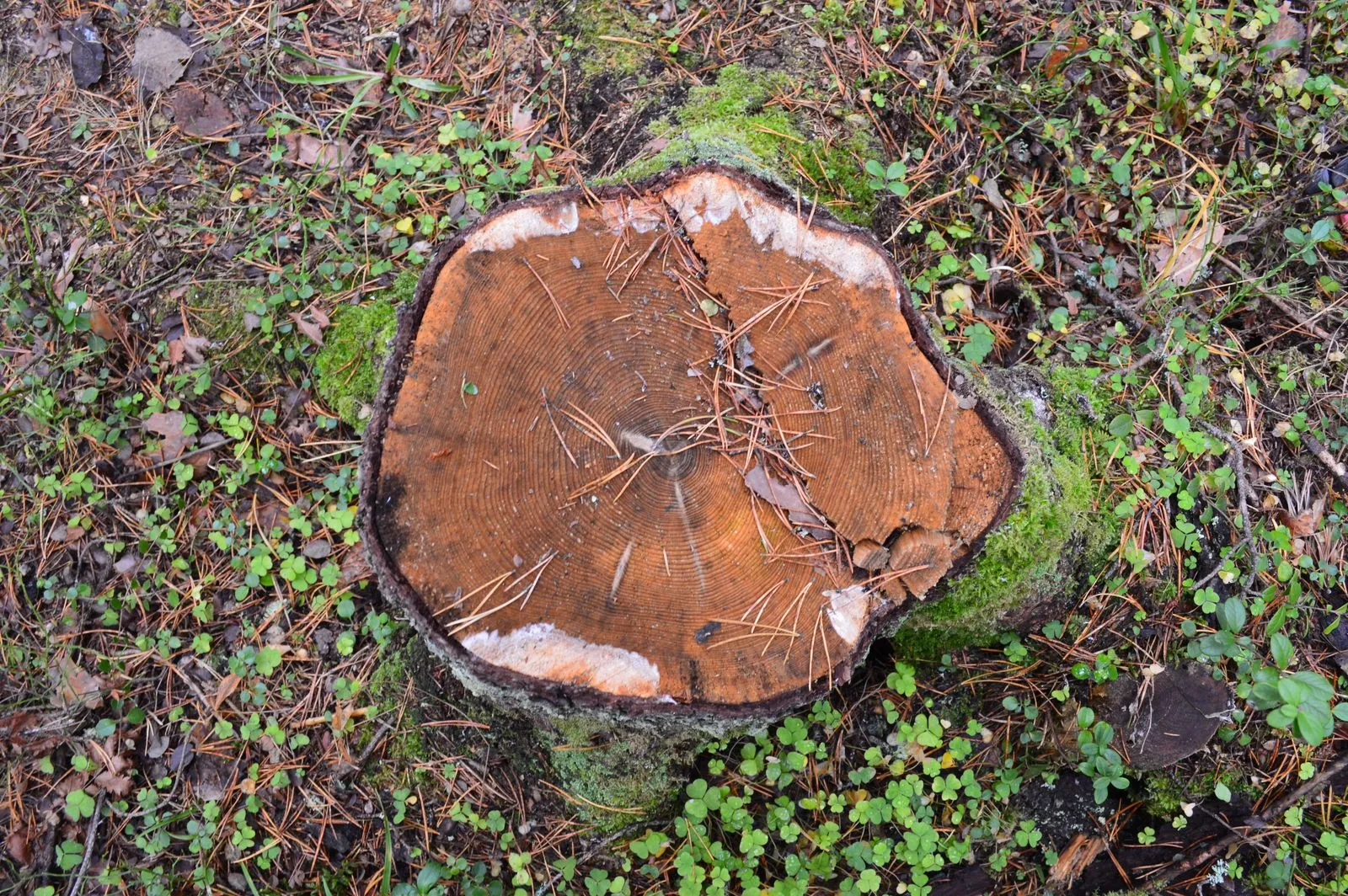
Once a stump is ground down, most people want the spot to blend back into the lawn as quickly as possible. The good news is that it absolutely can. The key is understanding why grass struggles in fresh stump grindings and fixing that before you seed.
Why grass struggles in wood chips
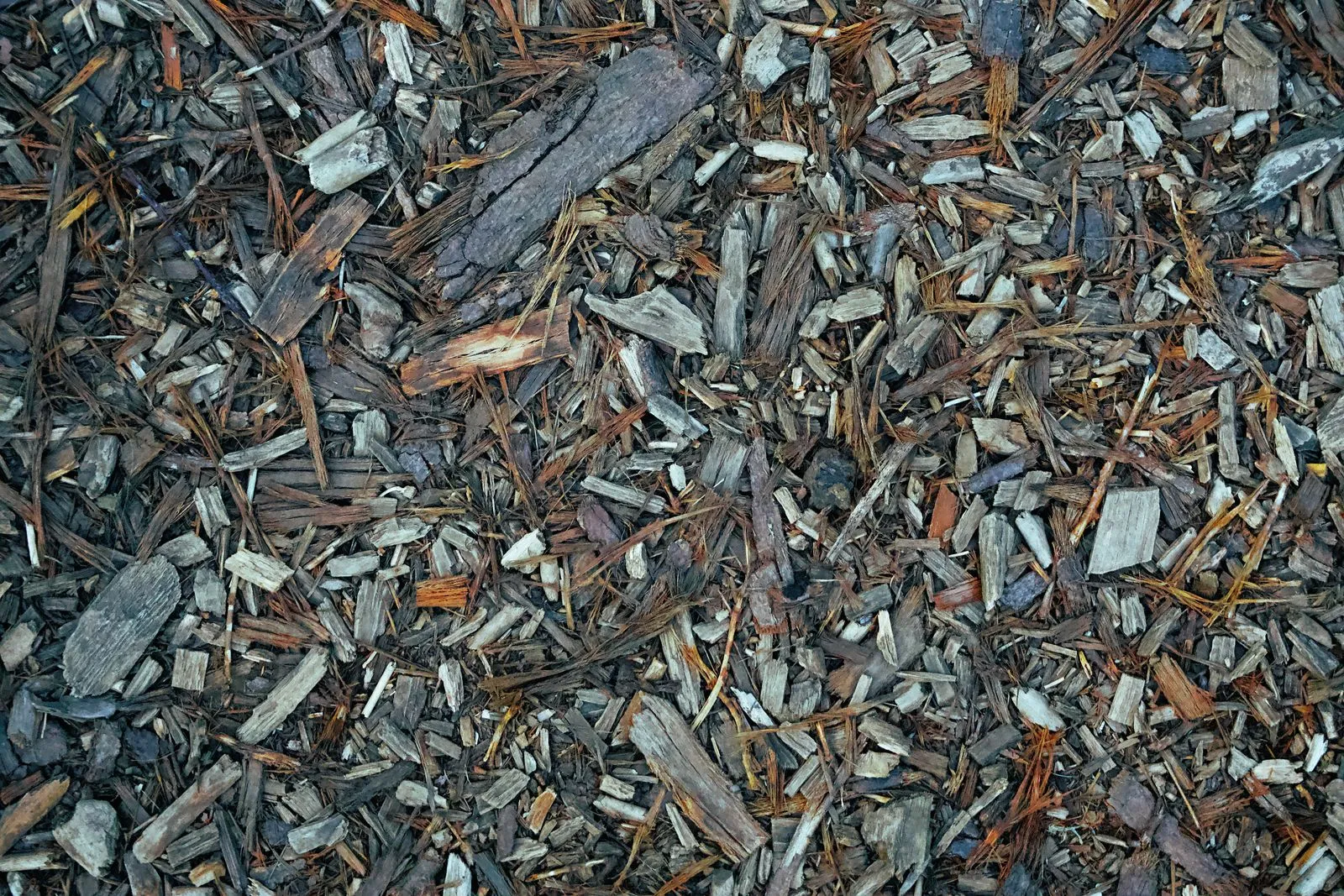
Fresh wood chips are rich in carbon. As soil microbes break them down, they pull nitrogen from the surrounding soil to fuel the process. That temporary nitrogen shortage is exactly what young grass needs most, so seed sown directly into a pile of grindings often comes up thin and yellow, if it comes up at all. Chips also hold moisture unevenly and settle over time, which leaves a sunken patch.
Step 1: Remove most of the grindings
Rake out the majority of the chips from the hole, going down several inches. You do not need to remove every last bit; a small amount mixed into the soil is fine. Save the chips for mulching beds or paths elsewhere in the yard.
Step 2: Fill with quality topsoil
Backfill the hole with screened topsoil, ideally blended with some compost. Overfill slightly, since the area will settle. Water it lightly and tamp it down with your feet or the back of a rake, then add more soil until the patch sits just a touch above the surrounding grade.
Step 3: Give it a nitrogen boost
Because there is still some wood in the ground decomposing, a starter fertilizer can help offset the nitrogen draw. Follow the label rates and avoid heavy applications, which can burn tender seedlings.
Step 4: Match the existing lawn
Pick a seed or sod variety that matches the rest of your yard. Warm-season grasses such as Bermuda, zoysia, centipede, and St. Augustine are often established from sod or plugs in late spring and early summer, while cool-season grasses like tall fescue are typically seeded in early fall. A local garden center or your county extension office can confirm what grows best in your conditions.
Step 5: Water consistently
New seed needs the surface kept evenly moist until it germinates, which often means light watering once or twice a day. Once the grass is up, gradually water less often but more deeply to encourage roots to grow down.
Step 6: Watch for settling
Over the next few months the old roots below will continue to decompose and the patch may dip a little. Top-dress it with a thin layer of soil and keep mowing at your usual height. Within a season or two, most people cannot tell where the stump used to be.
A shortcut for impatient yards
If you want instant results, sod is the fastest option. Prepare the soil the same way, cut a sod piece to fit, press it firmly into place, and water it daily for the first couple of weeks. The same rule applies: the better the soil underneath, the faster it knits into the rest of the lawn.
A ground stump is the start of the restoration, not the end. Spend an afternoon preparing the soil and the lawn will reward you for years.
Stump grinding in Fort Mill, SC
Strictly Stumps provides residential and commercial stump grinding in Fort Mill and surrounding areas. Explore Frank's stump grinding services or call or text (803) 203-9005 to discuss access, timing and your plans for the area.