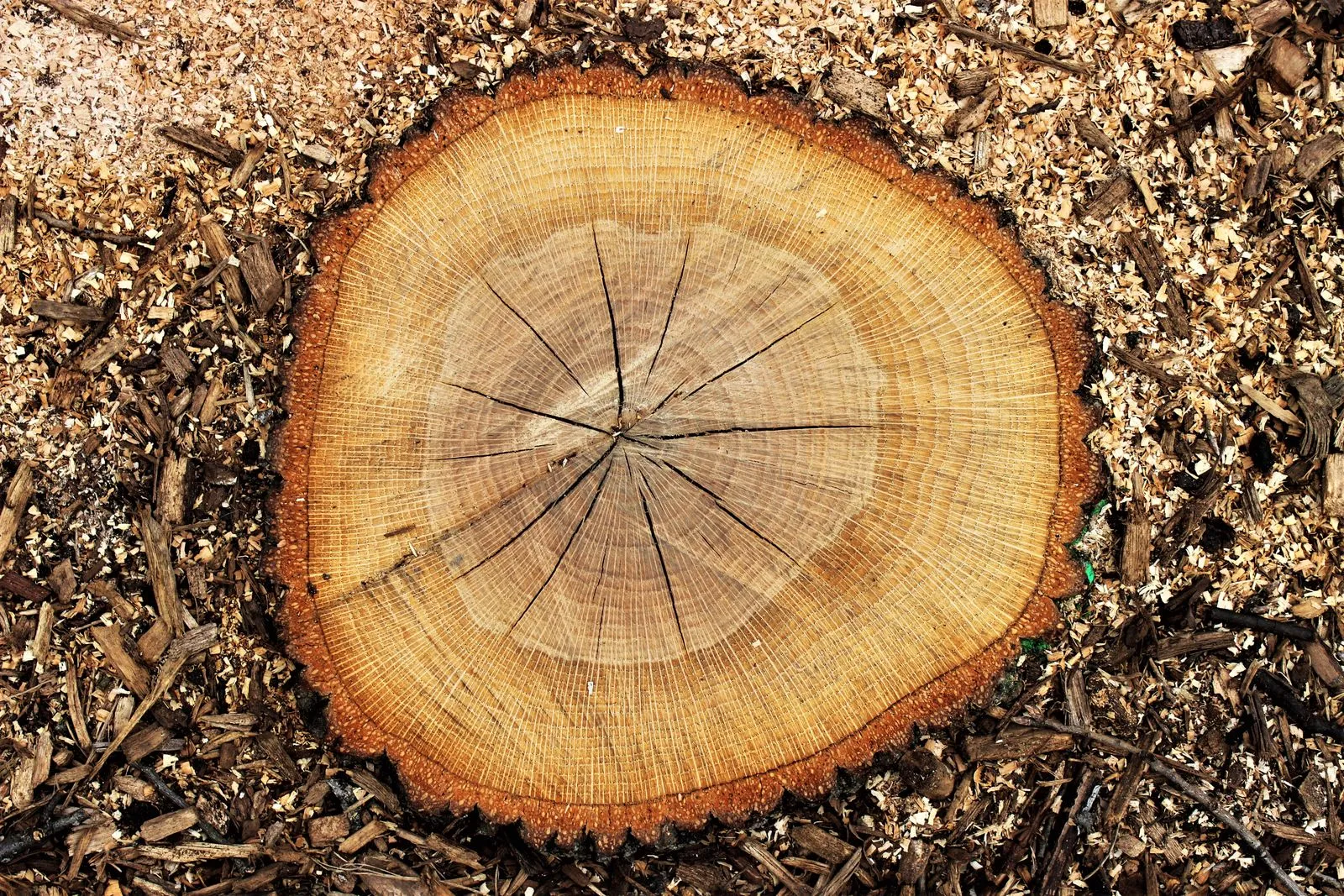
Stump Grinding vs. Full Stump Removal: Which One Does Your Yard Need?
Grinding and digging out a stump solve different problems. Here is how to tell which one fits your plans for the space.
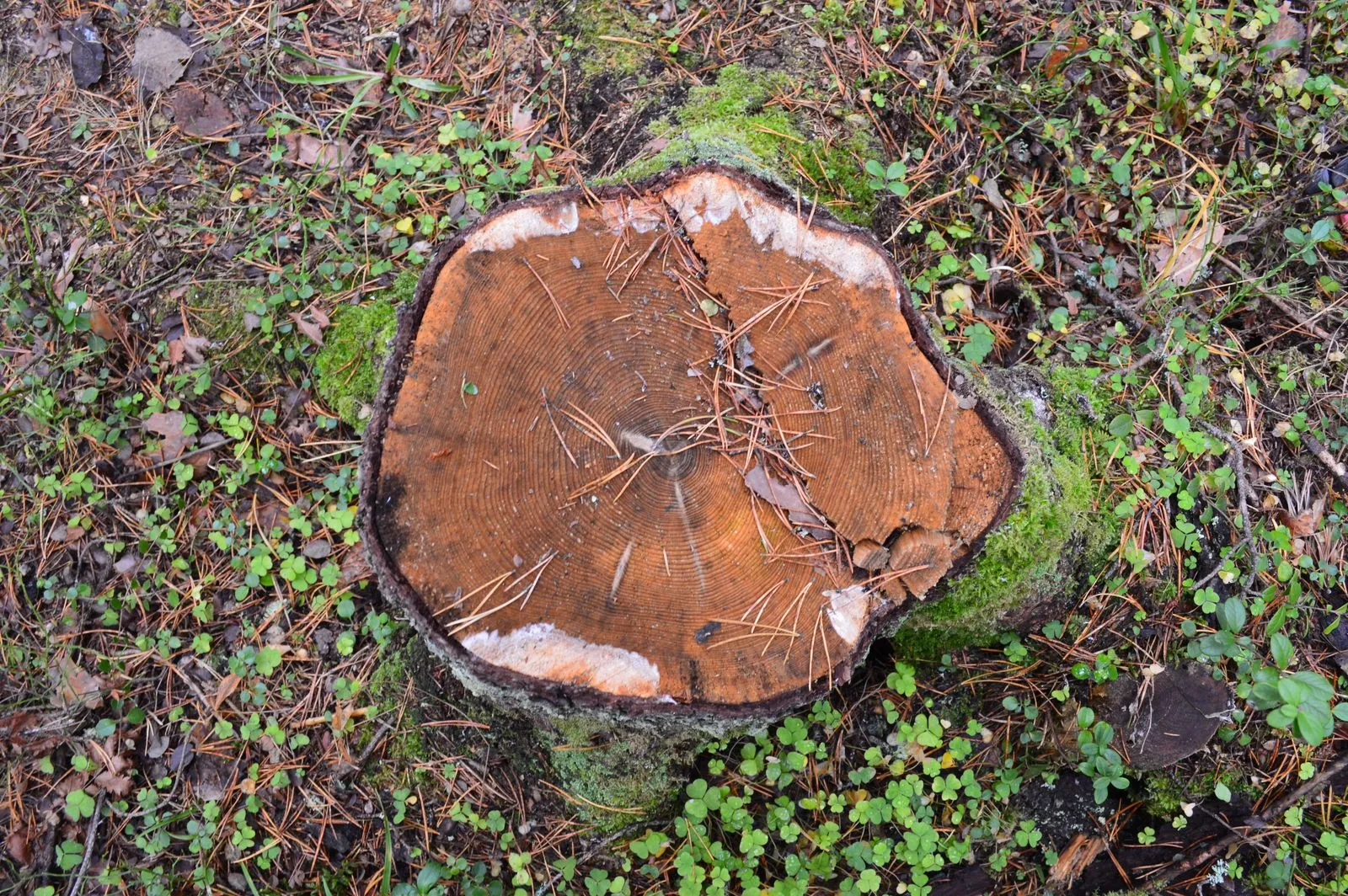
When a tree comes down, the stump left behind tends to raise the same question: should it be ground down or pulled out entirely? Both approaches get rid of the eyesore, but they leave the ground in very different condition, and the right choice depends on what you want to do with that spot next.
What stump grinding actually does
A stump grinder uses a spinning wheel fitted with hardened teeth to chew the stump into small chips. The operator sweeps the wheel back and forth across the wood, working down below the soil line. What is left is a shallow bowl filled with a mix of wood chips and soil, and the major roots below are left in place to break down naturally over the following years.
Grinding is fast, it disturbs very little of the surrounding lawn, and it works in tight spaces. Compact grinders can fit through narrow backyard gates, which means there is no need to take down fence panels or drive heavy equipment across a finished lawn.
What full removal involves
Full removal means excavating the stump and its root ball. That usually requires digging a wide hole around the base, cutting through the main roots, and levering or pulling the whole mass out of the ground. It leaves a large crater that must be backfilled and compacted, and it can tear up a surprising amount of turf, irrigation line, and landscaping along the way.
When grinding is usually the better fit
- You want to replant grass, lay sod, or add a flower bed in the same area.
- The stump is near a driveway, sidewalk, fence, or foundation where heavy digging could cause damage.
- Access is limited to a gate or narrow side yard.
- You want the job finished quickly with minimal mess.
When removal might make sense
Full extraction tends to come up when someone plans to build on that exact spot, such as pouring a slab, setting footings, or installing a pool, and a contractor needs the ground free of large buried wood. Even then, it is worth asking whether deep grinding will meet the requirement, because it is often enough.
A word about the leftover roots
People sometimes worry that the roots left after grinding will cause trouble. In most cases they simply decay in place over several years. Some species send up sprouts from the remaining roots, which can be clipped as they appear until the root system runs out of energy. If you are planting a new tree, it is generally wise to set it a few feet away from the old stump location rather than directly on top of it.
Making the call
The simplest way to decide is to think about the next chapter for that piece of ground. If the goal is a smooth lawn, a garden, or simply not having to mow around a stump anymore, grinding is almost always the practical answer. If you are unsure, send a photo of the stump and the surrounding area. A quick look is usually all it takes to talk through the options and how deep the grind should go.
Stump grinding in Fort Mill, SC
Strictly Stumps provides residential and commercial stump grinding in Fort Mill and surrounding areas. Explore Frank's stump grinding services or call or text (803) 203-9005 to discuss access, timing and your plans for the area.